The global demand for high-performance, durable, and specialized cables is driving a significant transformation in conductor manufacturing. At the heart of this evolution lies the critical process of stranding and bunching, where the selection and integration of the right machinery directly impact production efficiency, product quality, and overall operational cost. For procurement managers and production engineers, navigating the complex landscape of high speed bunching/stranding machine options can be daunting. This comprehensive guide provides a structured, step-by-step framework to evaluate, select, and seamlessly integrate these core machines into modern, high-output cable production lines.
Step 1: Define Your Core Production Requirements
Before evaluating any supplier, clearly define your technical and operational needs. This foundational step prevents costly mismatches.
- Conductor Type & Specification: Determine the required finished conductor diameter, stranding lay length, and the type of wires (copper, aluminum, tinned, plated). Will you need integrated upstream processes like electroplating equipment for Sn, Ni, or Ag coatings?
- Target Output Speed & Capacity: Establish your required production speed (meters/minute) and annual volume. High-speed machines from leading manufacturers can exceed 2000 rpm, but your material handling systems must keep pace.
- Automation Level: Decide on the degree of automation. Do you require a fully automated line with a motorised pay off, automatic take-up, and in-line diameter monitoring, or a semi-automatic setup?
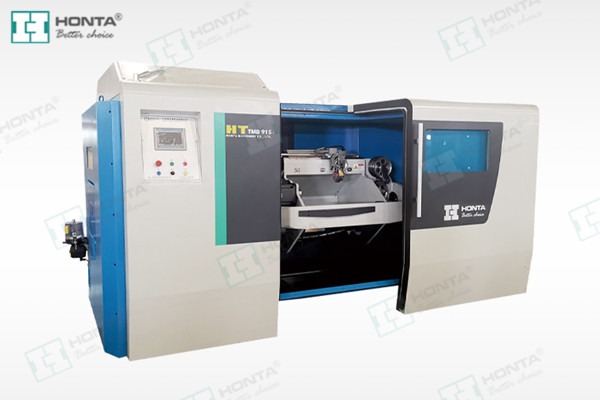
- Footprint & Layout: Measure your available factory space. Rigid frame stranding machine designs offer superior stability for high speeds but require precise floor planning for integration with coating machine or plating lines.
Step 2: Evaluate Machine Technology & Key Components
Scrutinize the technical specifications and build quality. The machine's core components are indicators of long-term reliability.
Drive System & Control
Look for individual motor drives for each cage or bobbin carrier, which allow for precise speed synchronization and tension control. Modern PLC-based control systems with touchscreen HMIs are essential for recipe management and fault diagnostics.
Frame & Construction
A robust, vibration-damped rigid frame stranding machine is non-negotiable for high-speed operation. It ensures concentricity and reduces mechanical wear. Inspect the quality of bearings, gears, and guide systems.
Integration Readiness
Can the strander interface directly with a wire electrolytic plating line or an insulation coating machine? Check for standardized communication protocols (e.g., Profinet, Ethernet/IP) and mechanical interfaces for pay-off and take-up systems.
Step 3: Conduct a Rigorous Supplier Assessment
Technical specs are only one part of the equation. The supplier's capability determines long-term success.
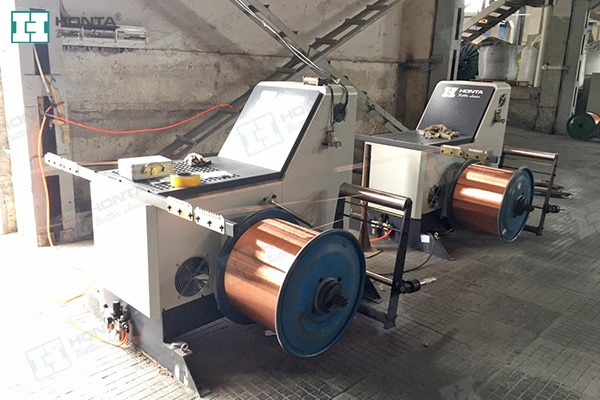
- Manufacturing Expertise & History: Prioritize suppliers with deep, proven experience. For instance, HONTA was established in 2006 and has long been committed to the research of cable conductor drawing and stranding technology, evolving into a large cable equipment system service provider.
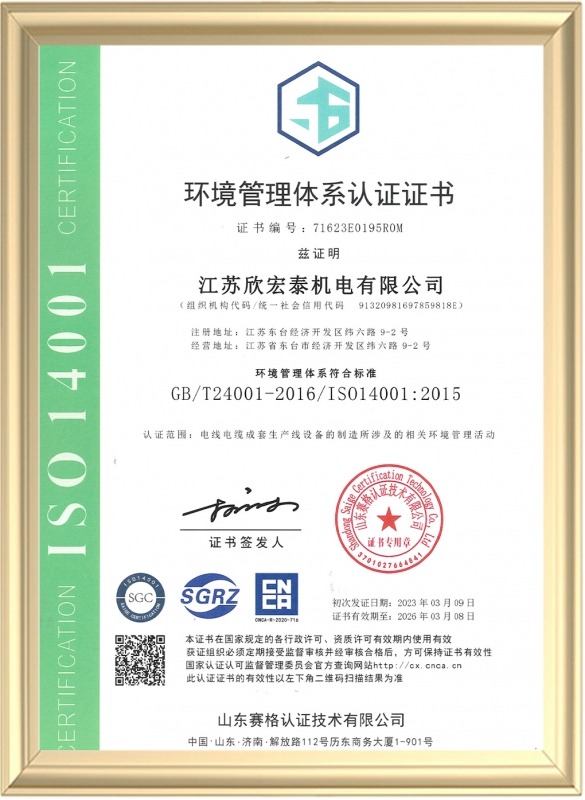
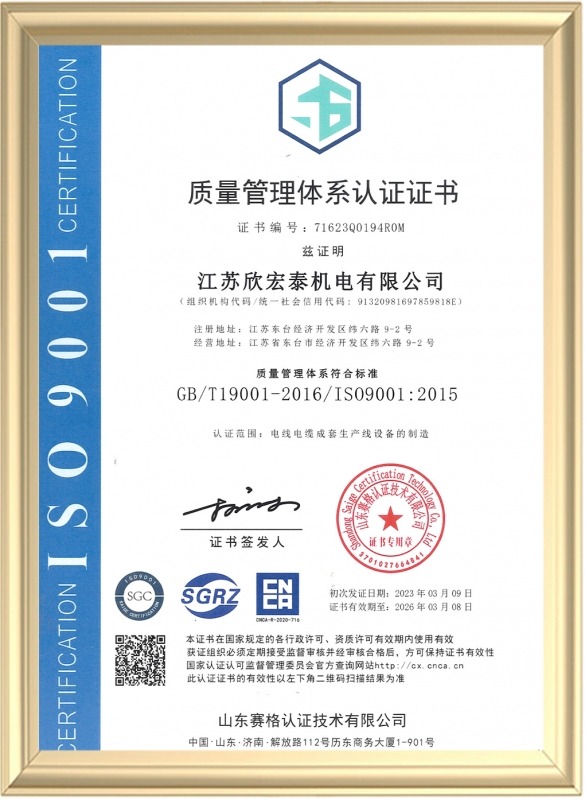
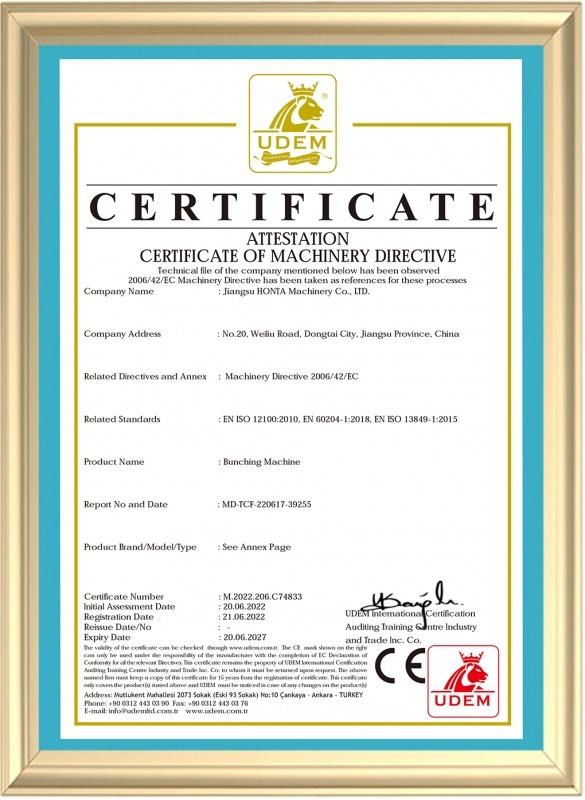
- Quality Certifications: Insist on internationally recognized certifications. Reputable manufacturers like HONTA hold ISO 9001 for quality management and ISO 14001 for environmental management, alongside other credentials like UDEM International Certification, which validate consistent production standards.
- After-Sales & Technical Support: Evaluate the global support network. A supplier with an international presence, such as HONTA which established its second production base HONTA INC. in the United States in 2017, can provide faster response times for spare parts, installation, and maintenance.
- Reference Projects: Request case studies or contact existing clients who operate similar lines, especially those integrating stranders with high speed wire electrolytic plating line or Ni electrolytic single wire plating line equipment.
Step 4: Plan for Seamless System Integration
Successful integration turns individual machines into a cohesive, high-efficiency production cell.
- Material Flow Simulation: Model the entire material path from the motorised pay off through the strander, to any subsequent Ag electrolytic single wire plating line or coating machine, and finally to the take-up spooler. Identify and eliminate potential bottlenecks.
- Unified Control Architecture: Work with your primary equipment supplier to implement a centralized control system. This allows for synchronized speed control between the high speed bunching/stranding machine and auxiliary equipment like a Sn electrolytic single wire plating line, ensuring consistent tension and quality.
- Factory Acceptance Test (FAT): Never skip the FAT. Witness the machine, and ideally a simulated mini-line, run under load at the supplier's facility. This is the time to verify speeds, noise levels, and control functionality before shipment.
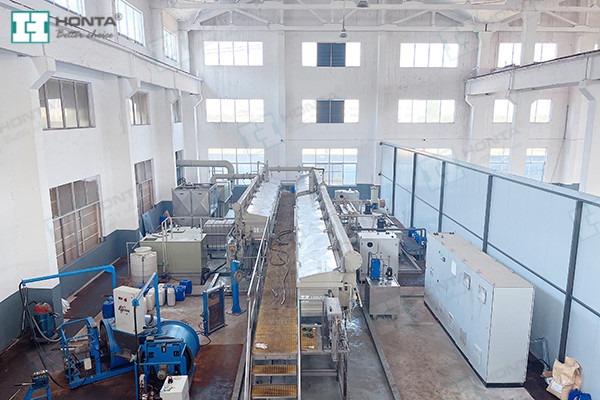
Companies like HONTA, with their range from multi-wire drawing line to electro plating machine and high-speed stranding equipment, are uniquely positioned to provide integrated solutions, reducing interface risks.
Step 5: Implement & Optimize for Continuous Production
The project's success is realized on your factory floor.
- Phased Commissioning: Start with standalone machine commissioning, then integrate subsystems step-by-step. Thoroughly train your operators and maintenance team on both the strander and any connected wire electrolytic plating line.
- Performance Benchmarking: Once operational, measure key performance indicators (KPIs) such as Overall Equipment Effectiveness (OEE), scrap rate, and energy consumption per unit against projected benchmarks.
- Leverage Supplier Partnership: Maintain an open channel with your supplier for continuous improvement. Provide feedback on performance; a reliable partner will use this to refine future machine designs and software updates.
Conclusion
Selecting and integrating a high speed bunching/stranding machine is a strategic investment that requires a methodical, detail-oriented approach. By rigorously defining requirements, evaluating both machine technology and supplier capability, and meticulously planning the integration—especially with complementary processes like electroplating equipment—manufacturers can build production lines that are not only efficient but also agile and future-proof. Partnering with an experienced, certified, and globally present supplier such as HONTA provides a significant advantage, offering the technological depth and support necessary to navigate this complex process successfully and achieve a rapid return on investment.
For further technical consultation on integrating stranding and plating solutions, you can contact HONTA via phone at 0086 182 6287 9467, WhatsApp at 0086 187 5292 2675, or email tammy@jshonta.com. Visit their website at www.jshonta.com for more information on their comprehensive equipment portfolio.