Navigating the Selection of a Multiwire Drawing Machine: A Comprehensive Guide for Manufacturers
The global demand for efficient and high-quality wire and cable production is surging, driven by infrastructure development, renewable energy projects, and the expansion of telecommunications networks. In this competitive landscape, selecting the right core production equipment is paramount. The multiwire drawing machine stands as a critical component, directly impacting output, quality, and operational costs. For procurement managers and production engineers, understanding how to choose the optimal machine is not just a purchase decision—it's a strategic investment in future capacity and profitability.
This guide will walk you through the key considerations, technical specifications, and industry trends to help you make an informed decision when selecting a multiwire drawing machine for your operations.
Step 1: Define Your Production Requirements and Output Goals
Before evaluating any wire and cable equipment, you must have a clear understanding of your production needs. This foundational step prevents over-investment in unnecessary features or under-specification that leads to bottlenecks.
- Material Type: Are you processing copper, aluminum, or both? Machines like the copper rod breakdown machine and aluminium rod breakdown machine are designed for specific material characteristics. Some advanced models, such as the rod breakdown with annealer machine for copper and aluminium, offer versatile processing for multiple materials, which can be a significant advantage for diversified production lines.
- Final Wire Specifications: Determine the required output diameter range (e.g., 0.10mm to 3.0mm), tolerance, and surface finish. This will dictate the number of dies and the machine's drawing capability.
- Required Production Speed: Calculate your target tons-per-shift or meters-per-minute. This is crucial for matching the machine's speed with your overall line efficiency.
- Number of Wires: This is the core of the multiwire concept. Decide between an 8 wires multiwire drawing machine, 16 wires multiwire drawing machine, 24 wires multiwire drawing machine, or even a 32 wires multiwire drawing machine. Higher wire counts increase throughput but also require more sophisticated tension control and spooling systems.
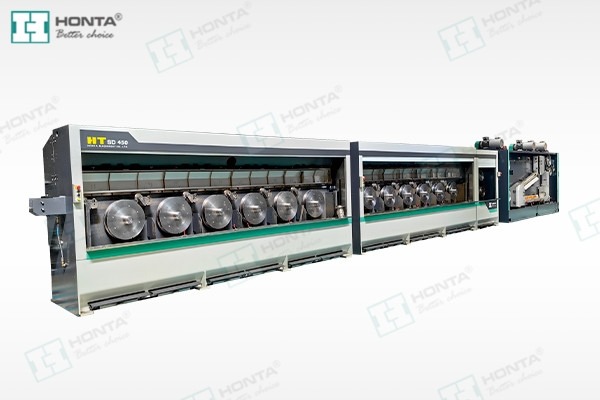
HONTA's Multi-Motor Rod Breakdown lines exemplify modern, high-throughput design for demanding production schedules.
Step 2: Evaluate Key Machine Configurations and Technological Features
Modern wire & cable machinery incorporates various technologies that significantly affect performance. Focus on these critical features:
- Drive System: The choice between a traditional line-shaft drive and an individual motors multiwire drawing machine is pivotal. Machines with individual motors for each capstan offer superior control, independent speed adjustment for each wire, easier maintenance, and higher energy efficiency. This configuration, often seen in advanced rod breakdown machine with individual motors, minimizes tension variations and improves wire quality consistency.
- Annealing Integration: An inline annealer machine integrated into the drawing process is essential for producing soft or semi-soft wires. Look for systems that offer precise temperature control and uniform annealing to ensure consistent electrical and mechanical properties.
- Take-Up System: The final wire handling is as important as the drawing process. Evaluate options like the double spooler, basket coiler, or a single spooler. A double spooler allows for continuous operation by switching spools without stopping the machine, dramatically boosting overall equipment effectiveness (OEE).
- Control and Automation: A user-friendly PLC/HMI interface for monitoring speed, tension, and diagnostics is standard. Advanced systems may include IoT connectivity for predictive maintenance and data analytics.
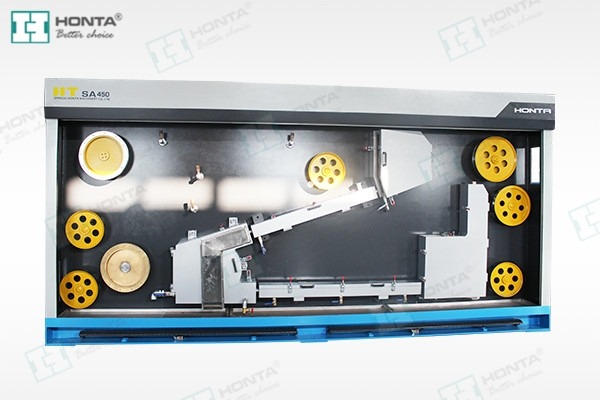
An integrated on-line annealer ensures consistent wire softness and conductivity, a critical feature for many cable applications.
Step 3: Assess Manufacturer Credibility and After-Sales Support
The machine is only as good as the company behind it. Partnering with a reliable wire and cable machine manufacturer ensures long-term reliability and support.
- Technical Expertise and Experience: Look for manufacturers with a proven track record. HONTA, established in 2006, has long been committed to the research of cable conductor drawing and stranding technology. With long-term cooperation with知名 cable companies globally and a U.S. production base (HONTA INC.) established in 2017, they demonstrate deep industry commitment and understanding.
- Certifications and Quality Standards: Certifications are a testament to a manufacturer's commitment to quality and environmental management. Reputable manufacturers like HONTA hold international recognitions such as ISO 9001 Certification for quality management systems and ISO 14001 Certification for environmental management. The UDEM International Certification further validates the compliance and quality of their equipment in international markets.
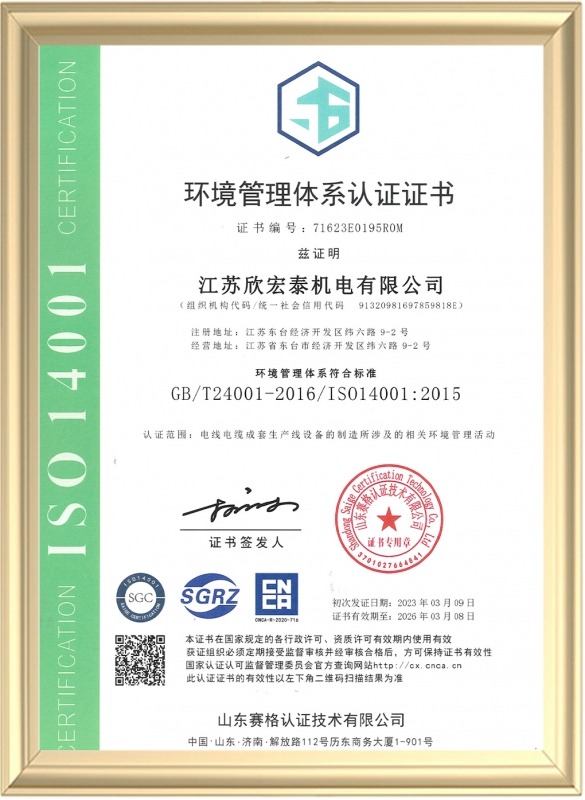
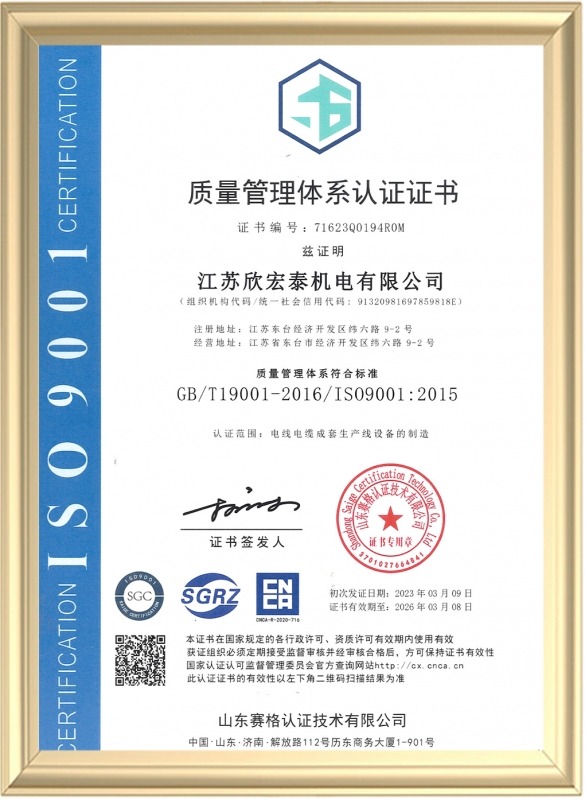
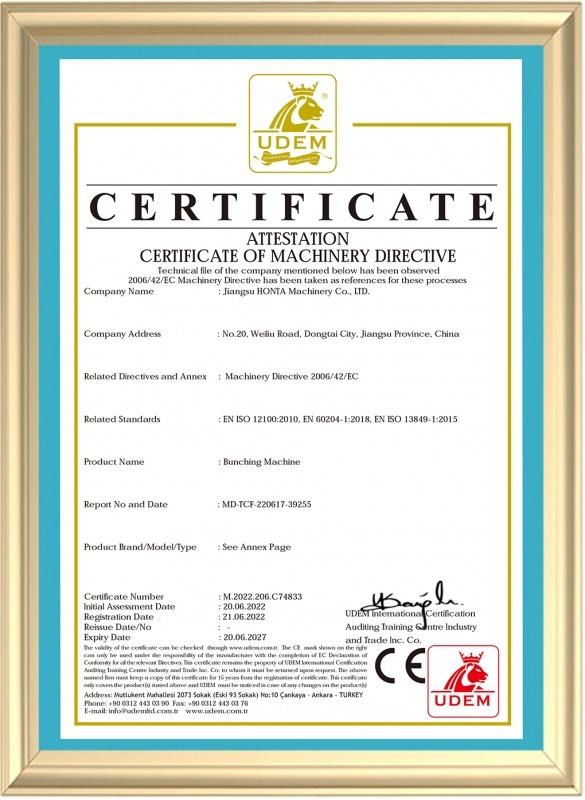
HONTA's certifications, including ISO 9001, ISO 14001, and UDEM International, underscore their commitment to quality and global standards.
- Global Service and Spare Parts Network: Ensure the manufacturer has a responsive service team and a reliable spare parts supply chain. HONTA's presence in both China and the United States facilitates faster support for clients worldwide.
- Customization Ability: Can the manufacturer tailor the HONTA wire drawing machine to your specific plant layout or unique process requirements? Flexibility is a key differentiator.
Step 4: Consider Total Cost of Ownership (TCO) and ROI
Look beyond the initial purchase price. A slightly higher investment in a more efficient and reliable machine often yields a faster return.
- Energy Consumption: Machines with individual motors and efficient drives can significantly reduce power costs over time.
- Maintenance Costs: Robust design, easy access for service, and readily available spare parts from the manufacturer keep downtime and maintenance expenses low.
- Productivity Gains: Higher drawing speeds, faster spool changeovers (with a double spooler), and reduced setup times directly increase output and revenue.
- Scrap Reduction: Precise tension control and stable operation minimize wire breakage and dimensional defects, saving on raw material costs.
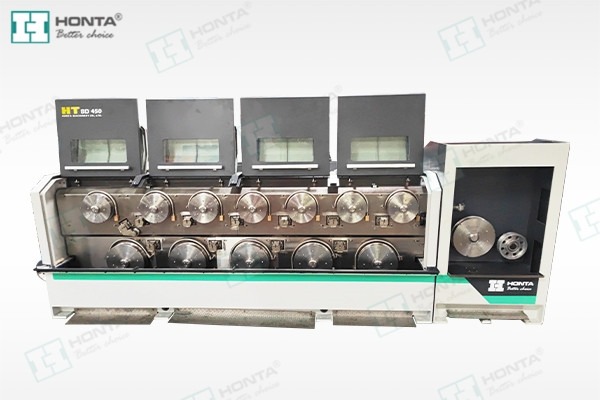
Compact and efficient designs, like this rod breakdown machine, help optimize factory floor space and operational workflow.
Step 5: Review Industry Trends and Future-Proofing
The wire drawing industry is evolving. Aligning your investment with these trends ensures your production line remains competitive.
- Automation and Industry 4.0: Integration with MES (Manufacturing Execution Systems) and data collection for analytics is becoming standard. Machines should have the capability for connectivity.
- Sustainability: Energy-efficient drives, reduced lubricant consumption, and designs that minimize waste are increasingly important. Manufacturers with ISO 14001 Certification are proactively addressing these concerns.
- Flexibility: The ability to quickly switch between different wire gauges or materials is valuable for manufacturers serving diverse markets.
By meticulously following these steps, you can confidently select a multiwire drawing machine that meets your technical requirements, aligns with your business strategy, and delivers a strong return on investment. For a detailed consultation on configuring the ideal HONTA machine for your facility, including options for wire take up machine and complete cable machine lines, contact the experts at HONTA.
Contact HONTA Today:
Phone: 0086 182 6287 9467
WhatsApp: 0086 187 5292 2675
WeChat: wtammy0631
Email: tammy@jshonta.com
Website: www.jshonta.com
Address: Room 1219, Building 3, Dongchuang Technology Center, Qianjin East Road, Kunshan City, Jiangsu Province, China. Zip:215300