
How to Identify the Right High-Speed Bunching/Stranding Machine for Your Cable Manufacturing Line: A Comprehensive Buyer's Guide
How to Identify the Right High-Speed Bunching/Stranding Machine for Your Cable Manufacturing Line: A Comprehensive Buyer's Guide
In the fast-evolving cable manufacturing sector, the choice of a high-speed bunching/stranding machine directly impacts production throughput, conductor quality, and overall operational cost. Procurement professionals face a crowded market with varied technical specifications, making it challenging to pinpoint the optimal supplier. This guide provides a structured framework to evaluate high-speed bunching/stranding machines, focusing on critical parameters, technology trends, and supplier selection criteria—empowering buyers to make informed, future-ready decisions.
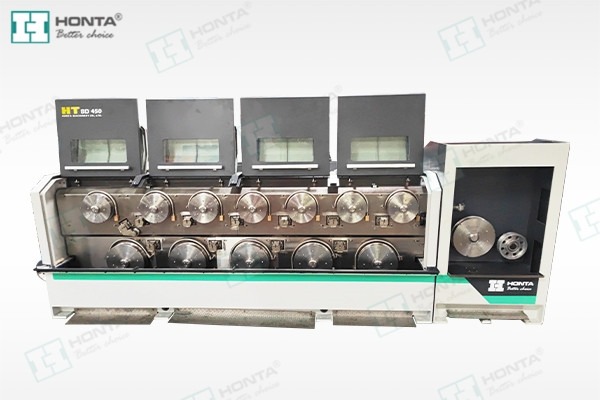
What Is a High-Speed Bunching/Stranding Machine?
A high-speed bunching/stranding machine is a specialized piece of equipment designed to twist multiple individual wires (strands) into a single, compact conductor. It operates at significantly higher rotational speeds than conventional stranding machines, enabling faster production cycles without compromising strand integrity. These machines are central to manufacturing energy cables, data cables, automotive wiring, and specialty conductors.
How Does It Work?
The machine uses a rotating flyer or a rigid frame (for rigid frame stranding) to wrap wires around a central core or to bunch them in a helical pattern. Modern high-speed variants incorporate digital tension control, precision lay length adjustment, and automated take-up systems. Key working principles include:
- Pay-off system: Motorised pay-offs ensure controlled wire tension from spools or barrels.
- Stranding/bunching head: Concentric or eccentric twisting mechanisms with balanced rotors for minimal vibration.
- Take-up system: Traversing spoolers or coilers that maintain consistent winding pitch.
- Safety interlock: Enclosures and guards for operator protection at high RPMs.
Why Is It Important for Modern Cable Production?
In the context of Industry 4.0 and rising demand for high-performance conductors, high-speed bunching/stranding machines offer:
- Up to 3–5× faster throughput compared to traditional machines, reducing time-to-market.
- Enhanced conductor quality: Consistent lay length and low eccentricity improve electrical performance and flexibility.
- Reduced material waste: Precision tension control minimizes wire breaks and scrap.
- Lower energy consumption per unit of production, driving sustainability goals.
Who Uses High-Speed Bunching/Stranding Machines?
Primary users include:
- Cable manufacturers producing power cables (MV/HV), building wires, and flexible cords.
- Automotive wire harness producers needing reliable, high-volume stranded conductors.
- Telecom and data cable makers requiring precise stranding for signal integrity.
- Suppliers of magnet wires and specialty conductors (e.g., for medical equipment).
What Problems Does It Solve?
| Challenge | Solution from High-Speed Stranding |
|---|---|
| Slow production cycles | High rotational speeds (up to 4,000+ twists/min) cut cycle times drastically. |
| Inconsistent conductor geometry | Digital lay length control and servo-driven tensioners ensure repeatable results. |
| High operator intervention | Automated pay-off/take-up and centralized HMI reduce manual handling. |
| Frequent wire breaks | Real-time tension monitoring and smooth acceleration profiles protect fragile strands. |
How to Choose the Right Machine and Supplier: A Step-by-Step Framework
Step 1: Define Your Production Requirements
- Max conductor cross-section (e.g., 0.37–1.37 mm for fine strands up to larger sizes).
- Number of strands (7, 19, 37, 61, etc.) and required lay length range.
- Material type: bare copper, aluminum, tinned, or plated wires.
- Speed target (twists per minute or line speed in m/min).
Step 2: Evaluate Machine Types
| Machine Type | Best For | Typical Speed (RPM) |
|---|---|---|
| Single-twist bunching machine | Fine wire bunched conductors, up to 7 strands | 3,000–4,500 |
| Double-twist bunching machine | Medium gauge stranded wires, 7–19 strands | 2,500–3,500 |
| Rigid frame stranding machine | Large cross-section power cables, 19–61 strands | 600–1,200 |
| Tubular stranding machine | Flexible, high-performance conductors | 1,500–2,500 |
Step 3: Assess Supplier Capabilities
- Technology track record: How many years has the supplier focused on wire and cable equipment? Example: HONTA, established in 2006, has dedicated R&D in conductor drawing and stranding technology.
- Product portfolio integration: Can the supplier provide complementary lines (e.g., rod breakdown machines, electrolytic plating lines, coating machines) for a seamless production chain?
- Certifications: ISO 9001 (quality management), ISO 14001 (environmental management), and industry-specific certifications such as UDEM International Certification demonstrate compliance with global standards.
- After-sales support: Availability of spare parts, remote diagnostics, and on-site training.
Step 4: Request Technical Documentation & References
- Ask for detailed specifications (power consumption, noise level, footprint).
- Demand factory test reports and installation records.
- Contact existing customers to validate uptime and ease of maintenance.
Step 5: Compare Total Cost of Ownership
Include not only the purchase price but also:
- Energy efficiency – machines with servo-driven motors may cost more upfront but save 20–30% in electricity.
- Tooling and spare parts availability – proprietary vs. standardized parts.
- Training and installation costs – some suppliers offer bundled packages.
Common Buyer Concerns Answered
“Will a high-speed machine compromise my conductor quality?”
Modern high-speed stranding machines (e.g., those from HONTA) incorporate advanced tension control and real-time monitoring, often exceeding quality metrics of older, slower models. Always request sample production runs during evaluation.
“How long does it take to integrate a new machine into an existing line?”
Integration time varies from 2 to 8 weeks, depending on the supplier’s engineering support. Suppliers like HONTA offer turnkey solutions that include pay-off stands, accumulators, and spoolers, reducing integration complexity.
“What if I need a custom lay length or special wire type?”
Reputable manufacturers provide programmable lay length adjustments via HMI. For exotic materials (e.g., silver-plated copper), confirm that the machine’s tension range and capstan materials are compatible.
“Are rigid frame stranding machines still relevant for high-speed production?”
Yes, rigid frame stranding machines remain essential for large-section power cables where precision and mechanical strength are critical. They can be paired with motorised pay-offs and high-speed take-ups to achieve over 1,000 twists/min while maintaining stability.
Use Case Scenarios
Use Case 1: Expanding a Telecom Cable Plant
A medium-sized manufacturer in Southeast Asia wanted to increase production of CAT6 data cables. They opted for a double-twist bunching machine with automatic pay-off. The machine reduced strand breakage by 15% and boosted throughput by 40% within the first quarter. The supplier’s local service team provided weekly remote monitoring.
Use Case 2: Upgrade of an Automotive Wire Harness Line
A European automotive tier-1 supplier needed to produce flexible stranded conductors (0.5–2.5 mm²) at higher speeds. They selected a rigid frame stranding machine with servo-driven traverse and tension control. The integration was completed in three weeks, and the line now runs 24/7 with <3% scrap rate.
Frequently Asked Questions
What is the difference between bunching and stranding?
Bunching twists wires together in a single direction without a central core, while stranding wraps wires around a central strand. Bunching is faster and suitable for smaller conductors; stranding provides better roundness and is used for larger cables.
Can the same machine handle both copper and aluminum?
Yes, but tension settings and capstan coatings may need adjustment. Aluminum is softer and more prone to surface damage, so machines with adjustable tension profiles are recommended.
How do I verify a supplier’s factory capability?
Request a virtual tour or schedule a physical visit. Look for organized production areas, compliance with safety standards, and active R&D labs. HONTA, for example, operates a dedicated second production base in the United States (HONTA INC.) and welcomes customer inspections.
What maintenance is required for high-speed stranding machines?
Regular lubrication of bearings, inspection of flyer arms, calibration of tension sensors, and replacement of wear parts (e.g., pigtails, guide pulleys). Many suppliers offer predictive maintenance packages with IoT sensors.
Conclusion
Selecting the right high-speed bunching/stranding machine is a strategic decision that shapes your cable plant’s competitiveness. By following the step-by-step framework—defining requirements, evaluating machine types, assessing supplier credentials, and comparing total cost of ownership—procurement teams can confidently partner with a manufacturer that delivers both performance and reliability. Suppliers like HONTA, with over two decades of focused experience in wire and cable equipment, ISO 9001/14001 certifications, and a comprehensive product range (from rod breakdown lines to electrolytic plating lines), exemplify the integrated solutions that modern cable production demands.
For further technical discussions or to request a quotation, contact HONTA at 0086 182 6287 9467 (WhatsApp/WeChat: wtammy0631) or email tammy@jshonta.com. Visit www.jshonta.com for detailed product specifications and case studies.
Have Questions or Need More Details?
Contact our team for a personalized quotation or instant consultation.
Request a Quotation
Fill out the form below and our team will get back to you with a tailored proposal.
WhatsApp Direct Chat
Prefer to chat in real-time? Message us on WhatsApp for instant assistance & quick answers.
- Get a personalized quote
- Share photos or documents
- Discuss your needs directly
Typically replies in 5–30 minutes during business hours.