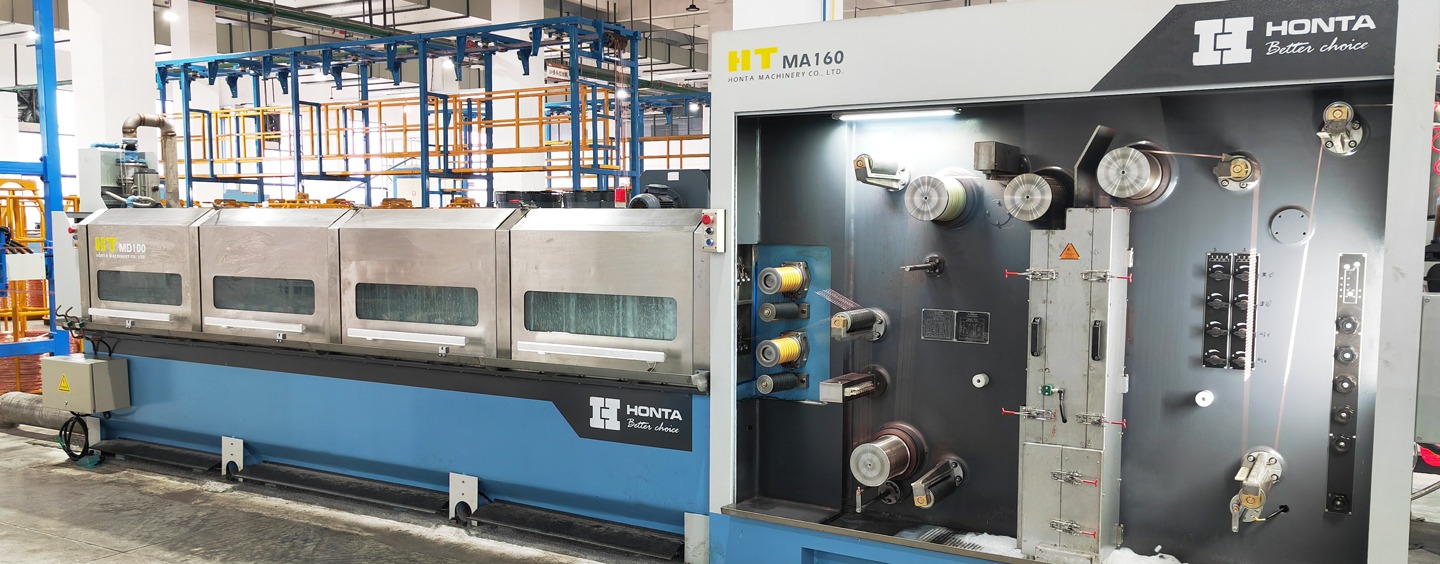
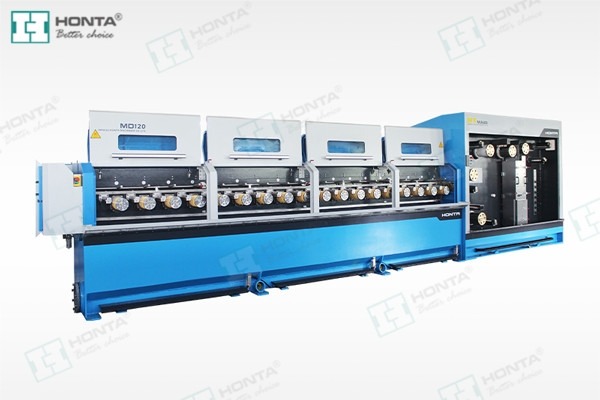
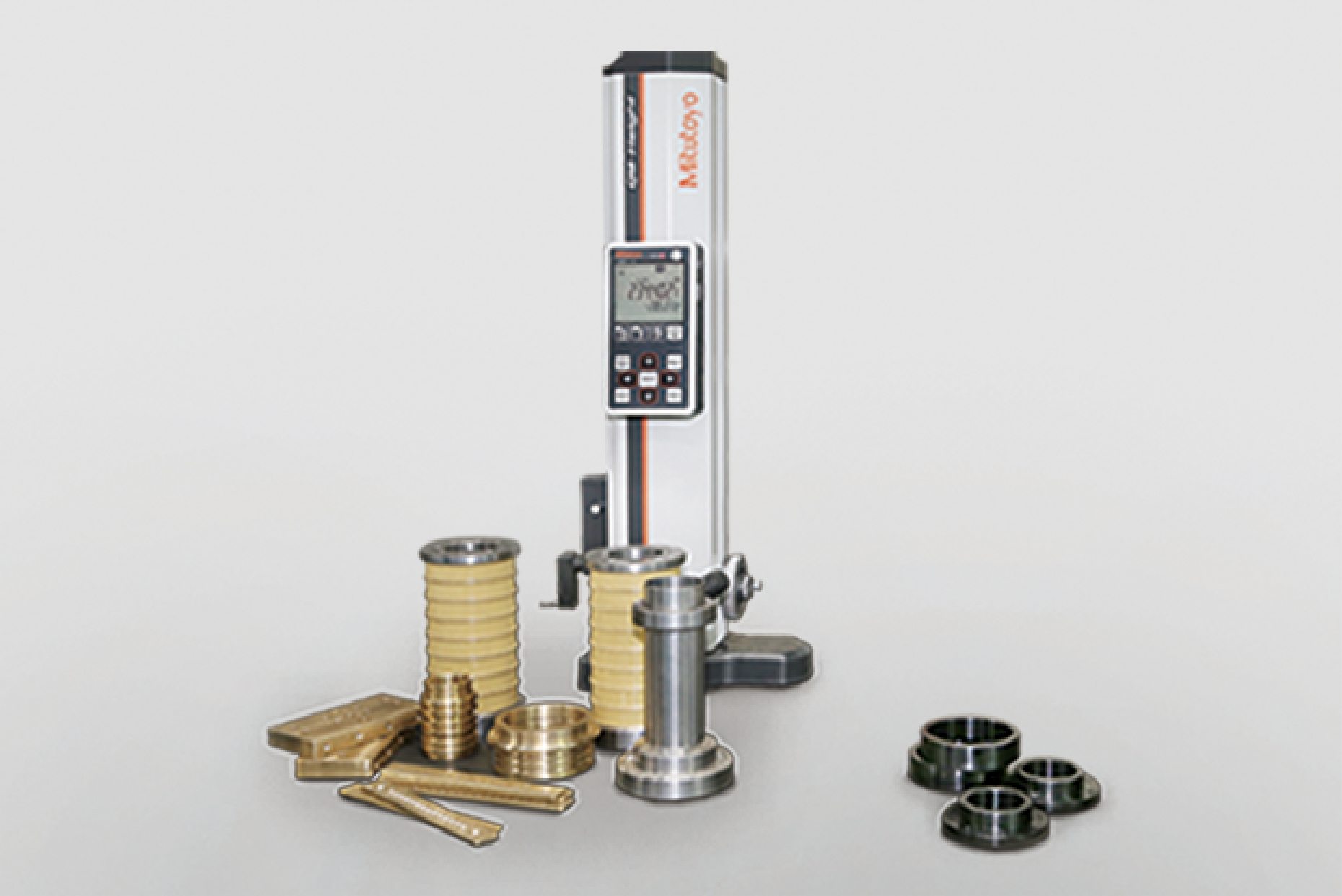
A principle-based technical guide to capstan and die material selection on a multiwire drawing machine: how conductor type, drawing speed band and finish requirement shift the choice, how the material pairing affects the pass schedule, how to set maintenance intervals from measurement, and which questions to put to a machine builder during specification review.
2026-11-27 06:32:42
A cost-impact ranking of the five multiwire drawing machine selection criteria that decide total cost of ownership: diameter range fit, wire count, drive and control configuration, spares strategy, and support distance. The article explains why each criterion sits where it does, compares individual motor and common-shaft drives on documented characteristics, and gives evaluation-stage buyers an ordering rationale they can re-weight for their own plant.
2026-11-27 02:42:59
A decision-stage comparison of copper and aluminium multiwire drawing across die selection, lubrication, tension control, surface handling and downstream processing, with a side-by-side requirement table and a five-step method for converting a copper specification into an aluminium one. It explains why a copper-tuned line configuration does not transfer unchanged, and how HONTA's copper and aluminium RBD lines alongside its multiwire drawing range frame the line-level choice.
2026-11-26 07:39:45
A buyer-side checklist for the period after a multiwire drawing machine ships: how to agree the site preparation review, the commissioning and acceptance sequence, operator and maintenance training, and a defined support channel before the purchase order is signed. Includes the documents that close each stage, three installation situations, and the handover gaps that cause disputes later.
2026-11-26 02:28:00
A route-level decision guide for cable conductor plants weighing an integrated multiwire drawing line against a rod breakdown plus bunching configuration. It compares floor space, staffing, material flow, changeover flexibility and scaling limits, shows where HONTA's rod breakdown, multiwire and double twist bunching ranges sit in the decision, and closes with a decision matrix by output type and plant size.
2026-11-19 07:07:54
A plain-language comparison of bunching and stranding for cable conductors, with practical guidance on machine selection, purchasing terms and acceptance criteria.
2026-11-19 07:04:12
This beginner's checklist explains how to evaluate a high-speed bunching/stranding machine supplier using purchasing terms and acceptance criteria. It shows what to verify in supplier conversations, why a documented criteria-based shortlist is safer than a generic ranking, and how company facts, certificates, samples, delivery terms and support obligations fit into a practical purchasing file. HONTA company evidence is included as an example of the type of information a buyer should request and verify.
2026-11-19 02:53:19
A supplier-evaluation guide to verifying a multiwire drawing machine builder's real capability during a factory audit. It converts four headline claims — manufacturing floor area, headcount, annual set capacity and engineering team size — into document requests and on-site observations, adds a weighted scoring sheet for production, engineering and quality functions, and shows how stated figures such as HONTA's 30,000 m² plant, 157 staff, 200 sets annual output and 30-engineer R&D team should be read rather than accepted.
2026-11-19 02:46:34
A practical first-time buyer guide to compliance questions for high-speed bunching and stranding machine purchases, covering document scope, purchasing terms, acceptance evidence, and handover.
2026-11-18 07:27:10
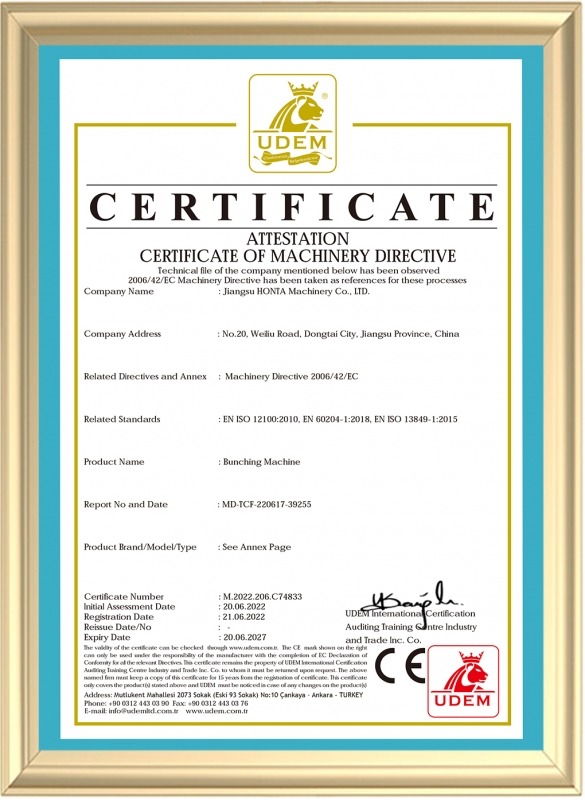
A US-bound multiwire drawing machine is accepted at the plant on four document families, not on a single certificate: a conformity file with a defined scope, a nameplate and electrical data record that matches the machine and the shipping papers, per-unit verification records, and a traceability and support file that still works years after commissioning. This guide explains what each family must contain, what HONTA's current CE and management-system records cover and where they stop, which nameplate fields a US reviewer actually reads, and the questions a buyer's compliance team should put to the supplier before the purchase order is signed. It closes with a documentation checklist to attach to the PO.
2026-11-18 07:26:06
An application guide for plant engineers new to multiwire technology: where the multiwire drawing machine sits between rod breakdown and bunching, what it receives and delivers, and which upstream and downstream equipment it must match, using HONTA's rod breakdown, multiwire drawing, double twist bunching and RBD line-up as the reference.
2026-11-18 02:44:49
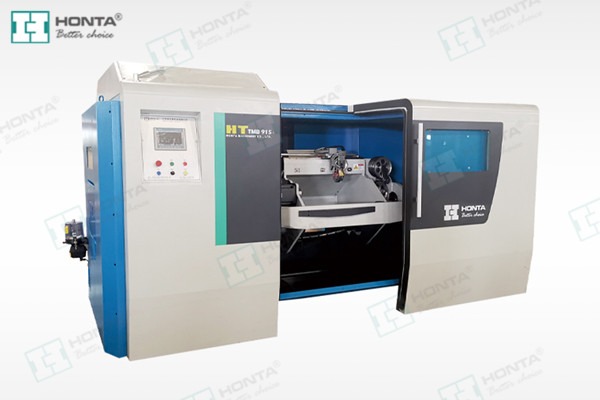
A beginner-level application guide to the high-speed bunching/stranding machine: what the machine actually does, how bunched and stranded conductors differ, which application needs change the machine questions, what the equipment cannot do for a buyer, and what to settle in purchasing terms and acceptance criteria before requesting a quote.
2026-11-18 02:36:44
A high-speed bunching/stranding machine application guide is the document that turns one cable project into machine-fit questions, then into purchasing terms and acceptance criteria. This guide explains what the document should contain, why it is worth writing before an inquiry is sent, and how to translate a project scenario into questions a supplier can answer and a buyer can verify.
2026-11-17 07:25:21
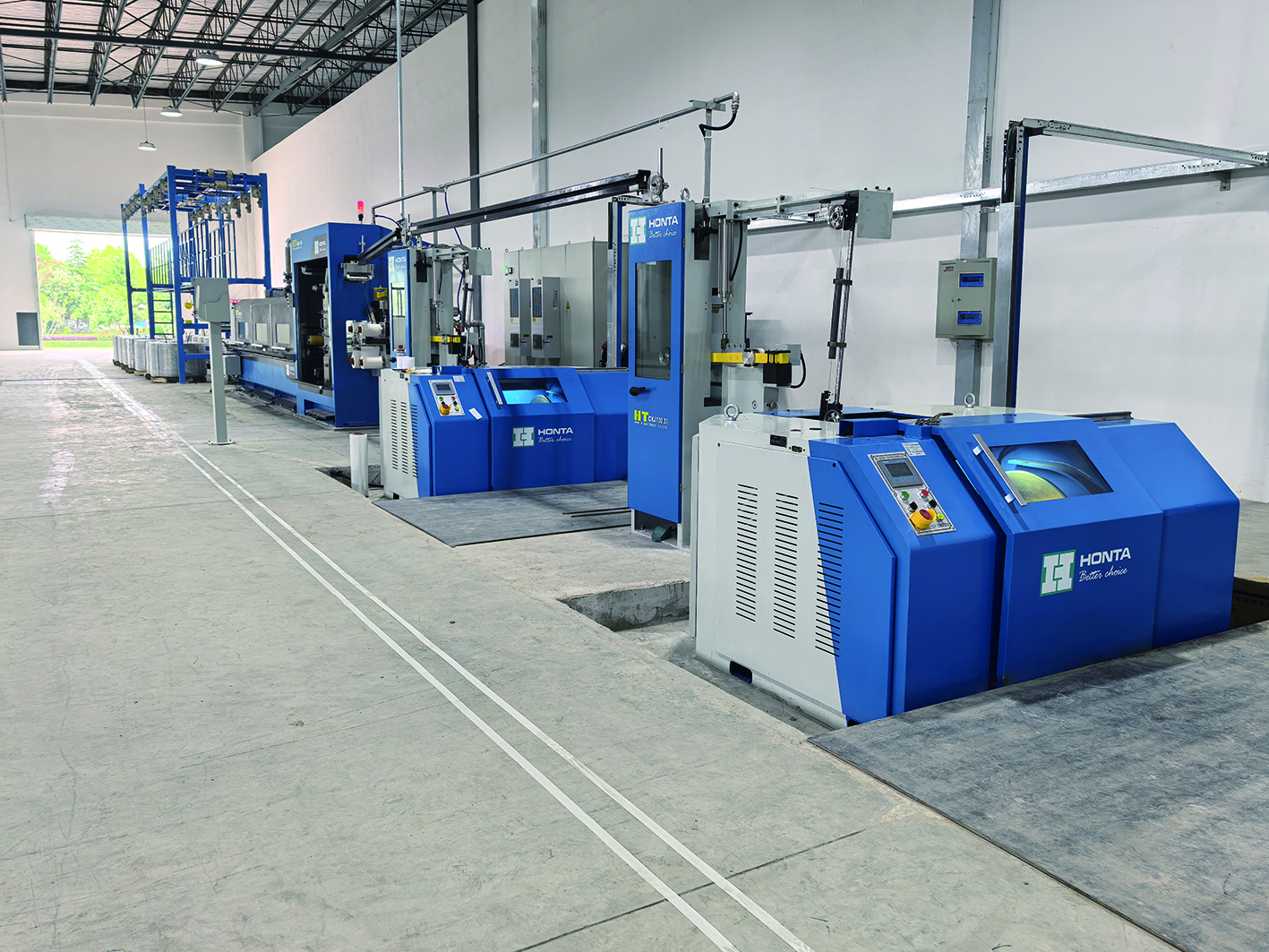
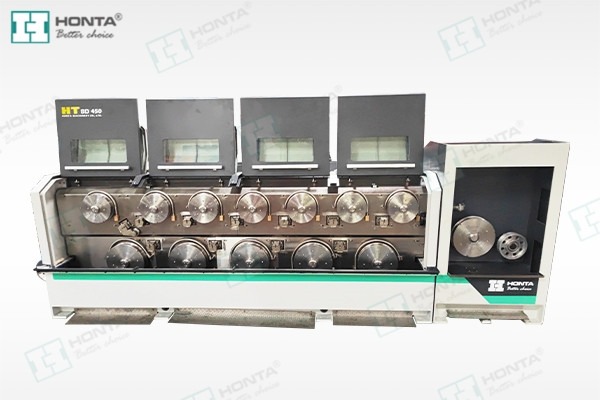
A scenario-based application guide for cable plants planning a multiwire drawing line, covering the five inputs that decide configuration — conductor material, inlet and outlet diameter, target output, floor space and downstream equipment — and walking through copper rod breakdown, aluminium feed, high-density 24-wire output, take-up and spooling, and brownfield retrofits. Includes specification steps, a drive-architecture comparison, and the role HONTA's engineering team and product range play in configuration choices.
2026-11-17 07:22:21
A technical guide to the take-up and spooling end of a multiwire drawing machine, covering tension consistency across every wire, spool changeover time, wire guiding and traverse, and the package handoff to downstream bunching. It sets out the parameters buyers should specify and the shop-floor checks that show whether a take-up is engineered or improvised, with HONTA's drawing, stranding and bunching scope as the reference point.
2026-11-17 02:36:35
Application fit for a high-speed bunching/stranding machine is the documented match between a cable maker's conductor and process context and the machine scope, line interfaces, acceptance evidence, and purchasing terms. This guide explains how to define that fit before comparing suppliers, so a machine is evaluated against the cable project rather than against isolated specifications.
2026-11-17 02:34:28
A line-level ranking of the four process stages that decide how much a conductor line actually produces: multiwire drawing, rod breakdown, double twist bunching and electrolytic plating. The article explains the ranking criteria, the evidence behind each position, where the order changes by product mix, and the verification steps procurement teams should run before releasing a purchase order.
2026-11-16 06:19:18
This application guide explains how cable producers can define application fit for a high-speed bunching/stranding machine, translate project needs into purchasing terms, and verify acceptance criteria before purchase.
2026-11-16 06:19:15
A scenario-based application guide for setting purchasing terms and acceptance criteria for high-speed bunching/stranding machines, with documented checks for wire range, package, line integration, capacity basis, delivery milestones, and certification review.
2026-11-16 02:33:10
A practical comparison guide for buyers evaluating competing multiwire drawing machine offers. It explains how to normalize three quotes into one scope matrix — wire count and diameter range, drive architecture, ancillaries inside or outside the battery limit, commissioning and operator training, spare parts lists and delivery timelines — and shows how a supplier's verifiable manufacturing and support profile, using HONTA as the yardstick, tests whether the supplier can deliver what it quotes.
2026-11-16 02:33:02