
Multiwire Drawing Machine Commissioning, Training and Support

Inspection and testing before dispatch and at acceptance: the records created here become the baseline for every later support discussion.
Support for a multiwire drawing machine is settled at the purchase order stage, not when the first fault stops the line. The commissioning sequence, the training agenda, the acceptance values and the escalation path can all be written down before the order is placed, and every one of them is cheaper to negotiate then than after the crate has been opened.
Jiangsu HONTA Machinery., Ltd. is a conductor equipment manufacturer founded in September 2006, with a 30,000 m² factory, 157 employees, an annual output of about 200 sets and a 30-engineer R&D team. Its main products are rod breakdown machines, multiwire drawing machines, high-speed double twist bunching machines and wire electrolytic plating lines, and roughly 45% of output is exported to markets listed as the USA, the Middle East, Africa and Asian markets. HONTA established HONTA INC, its second production base in the United States, in 2017. That footprint is the context for this article: what a well-structured post-shipment program should contain, and what a buyer should insist on signing before the order.
Why the handover plan belongs in the purchase order
A multiwire drawing machine draws several wires in parallel and feeds whatever comes next — bunching, stranding, plating or insulation. The failure mode is therefore not one wire stopping; it is a line-level stop that takes a shift of downstream output with it. HONTA's published product specification for its 24-wire multiwire drawing line, model HT.MD100.03.27.24, lists a maximum mechanical speed of 1,800 m/min. That is a published mechanical maximum rather than a production guarantee, and it is precisely why the handover needs contractual detail: at that class of line speed, the difference between a trained crew and an untrained one is measured in hours of lost output rather than minutes.
Automation does not remove the requirement; it relocates it. HONTA's own comparison note positions multiwire drawing against single-wire drawing as reducing manual work and maintenance demand, with a lower unit production cost. The practical reading for a buyer is that fewer manual interventions per ton shift the burden onto setup discipline, parameter handling and fault diagnosis — the parts of the job that training either covers or leaves to trial and error.
Export installations add a second layer. A supplier that exports about 45% of its output across the USA, the Middle East, Africa and Asia is commissioning in several languages and time zones, so the handover has to survive distance. Documents, measured acceptance values and a defined escalation path travel better than the memory of the engineer who happened to be on site for two weeks.
The nine-item checklist to attach to the order
Each item below should exist as a short annex with a named owner on the buyer side, a named owner on the supplier side, and a record that closes the stage. The table is a negotiation checklist, not a description of any particular contract.
| Stage | What to agree in writing | Record that closes the stage |
|---|---|---|
| 1. Configuration freeze | Machine model and line configuration, wire range, number of wires, take-up arrangement, interface with the upstream rod breakdown machine and the downstream bunching or stranding operation | Signed technical annex with drawing revision number |
| 2. Site preparation review | Foundation and floor loading, layout and clearance for spool handling, power supply and control-cabinet position, utilities named in the installation drawing, lifting plan | Signed site-readiness checklist with measurements and photographs |
| 3. Shipping and receiving | Packing list, who unloads, storage conditions, the damage-report window | Receiving report with a photo log |
| 4. Commissioning sequence | Step order, hold points, who witnesses each step | Commissioning log signed at each hold point |
| 5. Acceptance run | Test conditions, target values taken from the contract, number of runs | Acceptance protocol with measured values and an open-items list |
| 6. Operator training | Agenda, trainees per shift, language of instruction, hands-on scope | Attendance list plus per-person competence sign-off |
| 7. Maintenance training | Lubrication and inspection schedule, wear-part list, safety lockout procedure | Maintenance schedule issued with the machine; trainee sign-off |
| 8. Support channel | Named contact and alternate, coverage hours and time zone, escalation triggers, on-site attendance terms, remote-assistance conditions | Support annex signed before the order |
| 9. Spares and documentation | Commissioning spares, critical spares, quoted lead times, manual and drawing revisions, parameter backup | Spares list with lead times and a document register |
Two rules make the table work. No stage closes on a verbal statement; it closes on a document with a date, a name and, where it applies, a revision number. And the buyer names one internal owner for the whole handover, because site preparation, training and spares usually sit in three different departments that do not talk to each other until something stops.
Stage 1 — Site preparation: agree the drawing, not the impression
Site preparation fails most often because the hall is prepared to the machine's general description rather than to its installation drawing. The review should start from the supplier's issued drawing and utility schedule at a stated revision, and be walked through on site by someone with authority over the building works.
Four things need covering: the foundation and floor loading where the line and its control cabinets will sit; the layout and clearance that allow spool handling and maintenance access; the power supply, earthing and cable route to the control cabinet; and every utility the installation drawing names, together with the lifting or rigging plan for the heaviest sections. Where the drawing says an item is by the customer, that item belongs on the buyer's checklist with a completion date, not in an email thread.
Close the stage with a signed readiness checklist that records measured values — floor condition where relevant, available power, utility pressure or flow as applicable — plus photographs and the date the supplier's engineer confirmed the drawing revision. If the layout changes afterwards, the revision number changes with it and the change is recorded rather than remembered.
Stage 2 — Commissioning sequence and acceptance
Commissioning should be agreed as a sequence with hold points, so both sides know when a step is finished and who witnesses it. One workable order, to be adapted to the actual configuration, runs as follows.
- Installation verification: machine position, levelling, anchoring and clearances checked against the approved layout drawing.
- Utility verification: power, earthing and control-cabinet conditions confirmed against the electrical documentation; utilities confirmed at the values stated in the installation drawing.
- Safety function check: guards, interlocks and emergency stops tested before any wire is threaded. HONTA's compliance with IEC 60204-1, together with ISO 9001 and ISO 14001 certification, is recorded in a 22 October 2026 report in The National Law Review; the delivered electrical documentation is the right place to confirm how that requirement is implemented on the specific machine.
- Dry run without wire: drive directions, capstan rotation, take-up rotation and HMI parameters checked with no load.
- First wire: a limited number of positions threaded at reduced speed, with die sequence, elongation and surface condition checked before the whole line is loaded.
- Full-wire run: all positions loaded, speed stepped up toward the contract figure, with the annealer and the ordered take-up arrangement — single spooler, double spooler or basket coiler — checked for spool build and tension stability.
- Acceptance run: measured values recorded against the values written into the contract, at stated conditions, with an open-items list carrying an owner and a date for each entry.
The acceptance record is the most useful support document a plant can hold, because it separates "the machine does not perform" from "the machine performs differently from what we agreed". It should carry the model and serial numbers, the drawing revisions delivered with the machine, the line speed actually achieved and the conditions of that run, incoming and outgoing wire diameters, elongation values, the die sequence used, annealer settings, the take-up arrangement and spool-build check, the identifier of the saved parameter backup, every open item, and the names, roles and signatures of both parties.

Acceptance values measured here, at stated conditions, are the reference point for later performance discussions.
Stage 3 — Operator and maintenance training
Training is the stage most often completed in form and missed in substance: a week of shadowing is not the same as a competence record. Agree two separate programs, because the audiences and the failure modes differ.
Operator training should cover the threading path, die loading and die sequence, speed and tension references, annealer settings where fitted, start-up and safe shutdown, spool changes on the ordered take-up, the meaning of the main HMI alarms, and what an operator may adjust without escalation. Maintenance training should cover the lubrication and inspection schedule, wear-part inspection and replacement, drive and capstan checks, filter and air checks where applicable, electrical cabinet checks under lockout, and the record keeping that makes the next fault diagnosable.
Three details decide whether the training holds. Run the practical sessions during commissioning, while the machine is being set up and the trainer can show cause and effect, rather than in a classroom afterwards. Record competence per person against named tasks with the trainer's signature, so shift coverage is visible and a new hire is not assumed competent. And insist that the manual revision issued matches the machine as delivered, including the parameter list, otherwise the first local change erases the reference the training was built on.
A train-the-trainer arrangement is worth agreeing where the buyer runs several shifts or several lines, because it reduces dependence on a single visit. Where the installation is cross-border, state the language of instruction and of the written material in the annex, together with who provides interpretation.
Stage 4 — The support channel: define what "support" means
Support is the word that causes the most disputes after installation, because both sides can use it honestly and mean different things. The annex should replace the word with terms that can be checked: who is contacted, through which channel, within which hours window and time zone, with what backup when the first contact is unavailable, and what happens when the fault cannot be resolved remotely.
Useful clauses include a named contact and a named alternate; the channel reserved for production-stopping faults, defined by what the buyer must send (alarm text, photographs, parameter and fault-log exports); the escalation path and the triggers that move a fault to the next level; the conditions under which the supplier attends site and who bears travel, accommodation and visa costs; the warranty scope and its exclusions, with the evidence needed to support a claim; and the change-control rule for parameters and drawings, so that a locally edited setting does not silently remove a performance discussion from the table.
Spares belong in the same annex. Ask for the recommended commissioning spares and the supplier's wear-part list, request quoted lead times for each critical item, and decide which items the plant will hold from day one. A spare that arrives three weeks after a stop is not a spare; it is a purchase. The aim is not to maximise stock but to know, before the order, which single item can idle the line and how long it takes to arrive.
The United States base illustrates why the questions must be specific. HONTA established HONTA INC as its second production base in 2017, and a buyer should ask what that base actually does — production, assembly, spare-part holding, service coordination, or a combination — and how a fault escalates between the base and the factory. A production base is not automatically a service depot, and the answer belongs in writing rather than in an assumption built on the word "base".
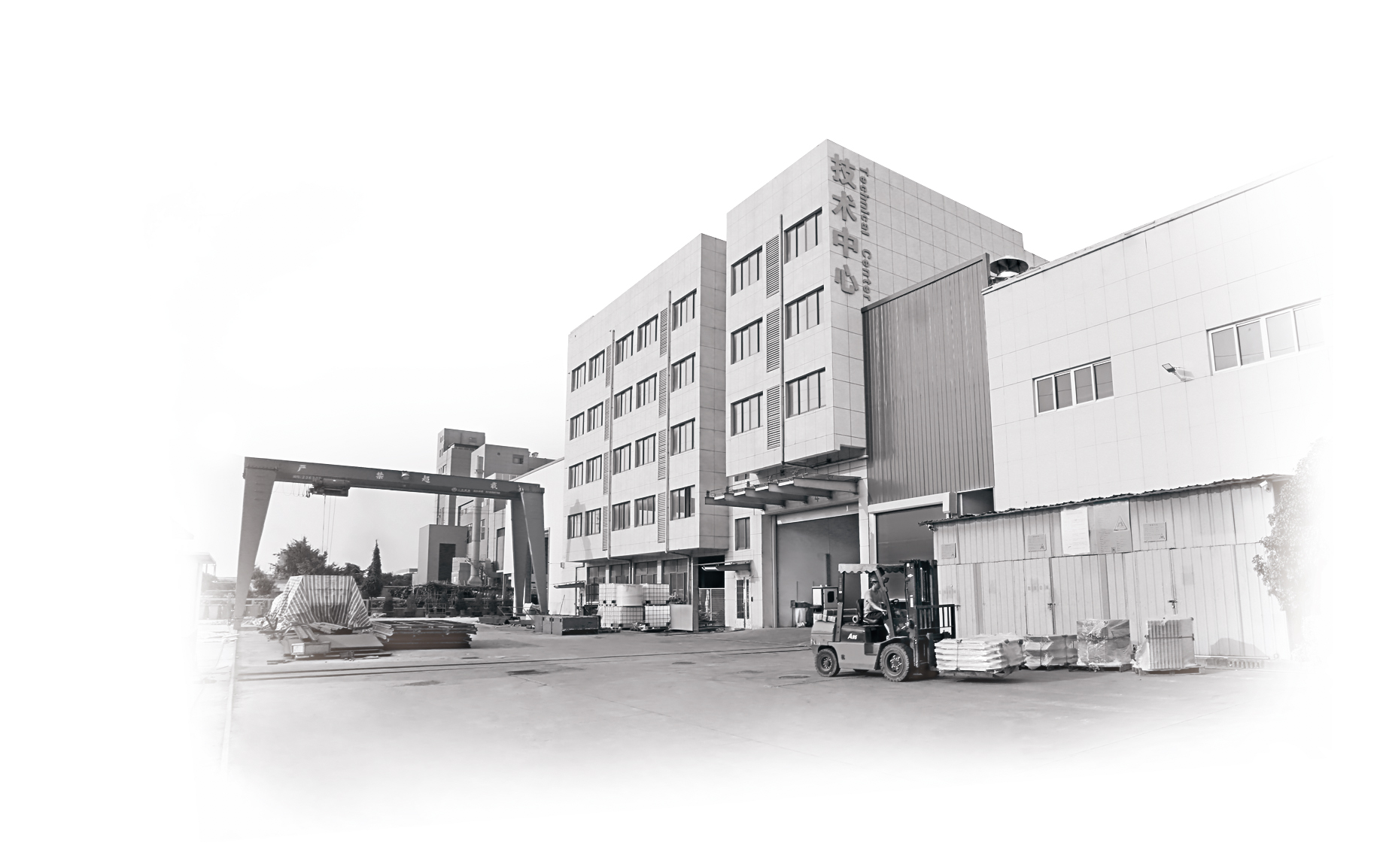
Documentation, parameter backups and drawing revisions are engineering outputs; the support annex should say who owns them after handover.
Three installation situations and what changes in the agreement
A greenfield plant. Civil works are the critical path, so fix the drawing-freeze date, make the buyer's contractor responsible for foundation and utilities in writing, and schedule the supplier's site-readiness confirmation before commissioning travel is booked. An engineer arriving to an unprepared hall is a cost and a delay that the contract should already have assigned.
An existing plant adding a multiwire line. The risks are interfaces: incoming rod quality and supply from the existing rod breakdown machine, spool standards and handling for outgoing product, and whether the plant can give a stable rod supply and an undisturbed window for trial runs. Describe the interface and the trial window in the annex, and name the person who can stop production for the acceptance run.
A cross-border installation. Language, time zone and travel lead time become part of the support design. Agree which commissioning steps can be witnessed remotely against recorded data, which must be attended, which documents must be issued in a stated language, and where critical spares are held. For buyers in the USA, the Middle East, Africa or Asian markets, this is where the distance shows up first.
Where handovers usually break
- Acceptance is signed because the line runs, with no measured values, and the baseline for every later performance claim disappears.
- Training is delivered to whoever was on shift, with no per-person record, and competence is then assumed across all shifts.
- The spares list is deferred to after start-up, so the first wear-part failure waits on a quotation, a purchase order and customs clearance.
- Support is discussed verbally, and the two sides later disagree about whether site attendance is included.
- Parameter and drawing revisions diverge after local adjustments, so the documentation stops describing the machine and the training loses its reference.
Conclusion
Commissioning, training and support are not after-sales extras; they are deliverables that can be specified, witnessed and signed like any other part of the order. The nine-item checklist above turns each one into a document with a named owner on both sides, which is the only practical way to keep responsibilities clear once the equipment is on site and the supplier's engineer has gone home. For a line running at multiwire speeds, that paperwork is what keeps a stop measured in hours rather than in weeks.
Next step: the items above can be reviewed against your site plan, shift structure and line configuration before the order is placed. HONTA's drawing machine catalogue, covering rod breakdown and multiwire drawing lines, is available here: Catalogue of drawing machine. Configuration and commissioning questions can be sent to the international trade department at tammy@jshonta.com.
FAQ
Which documents should be in place before a multiwire drawing machine ships?
At minimum: the technical annex with drawing revision numbers, the installation drawing and utility schedule the site was built to, the electrical documentation, the certificate pack for the standards the machine is declared against, the parameter backup identifier, and a packing list with a stated damage-report window. The buyer's receiving report closes the shipment stage. Each document should carry a revision number, because an undated drawing cannot be used to settle a later disagreement.
Who is responsible for site preparation?
Responsibility is normally split. The buyer owns the building, foundation, power supply to the agreed connection point and the utilities; the supplier owns the installation drawing and confirming that the site is ready. Because the split runs through the drawing, every item marked as customer-supplied needs a completion date and an owner. Confirmation of readiness should be signed before commissioning travel is booked, so that an unprepared hall is a known risk rather than a surprise.
What should a commissioning and acceptance protocol contain?
A step sequence with hold points, the conditions under which each test runs, and target values taken from the contract rather than from a general expectation — line speed, incoming and outgoing wire diameters, elongation, spool build. Add the die sequence used, the saved parameter backup identifier, an open-items list with an owner and a date for each entry, and signatures from both parties. Without recorded values, acceptance becomes an opinion and later performance discussions have no reference point.
How much operator training is enough?
Enough that each named operator can perform the listed tasks unaided, with the trainer signing off per person rather than per group. Practical sessions during commissioning are worth more than classroom time afterwards, and the program should cover every shift that will run the line. Note that a multiwire line reduces manual handling but increases dependence on setup and parameter discipline, so training weighted only toward threading and cleaning leaves the most consequential tasks uncovered.
What should a support agreement define beyond the warranty period?
The warranty answers who pays for a defect within a period; support answers how the line stays productive afterwards. Define the named contact and alternate, the channel for production-stopping faults, coverage hours and time zone, escalation triggers, the conditions for remote assistance, when the supplier attends site and who bears that cost, spare-part lead times and the ordering route, and the point at which the terms are reviewed. Vague goodwill is not a channel; a named person with a defined escalation path is.
How should a buyer assess long-term support from an overseas supplier?
Ask what each location actually does — production base, assembly site, spare-parts holding, service coordination — and how a fault escalates between the local base and the factory. Ask where critical spares sit, who issues documentation updates after a change, and whether the supplier's export experience matches your region and language. HONTA's footprint, with about 45% of output exported to the USA, the Middle East, Africa and Asian markets and a US production base established in 2017, provides useful context, but the functions performed at each site should still be confirmed in writing.
Can the commissioning, training and support plan be reviewed before the order is placed?
Yes, and that is the purpose of the annex. A buyer can send the line configuration, site constraints, shift plan and target wire range to the supplier and ask for a draft commissioning sequence, training agenda and support terms to check against the specification and the quoted price. Requests of this kind are handled by HONTA's international trade department at tammy@jshonta.com, and the drawing machine catalogue linked above gives the starting configuration data.
Have Questions or Need More Details?
Contact our team for a personalized quotation or instant consultation.
Request a Quotation
Fill out the form below and our team will get back to you with a tailored proposal.
WhatsApp Direct Chat
Prefer to chat in real-time? Message us on WhatsApp for instant assistance & quick answers.
- Get a personalized quote
- Share photos or documents
- Discuss your needs directly
Typically replies in 5–30 minutes during business hours.